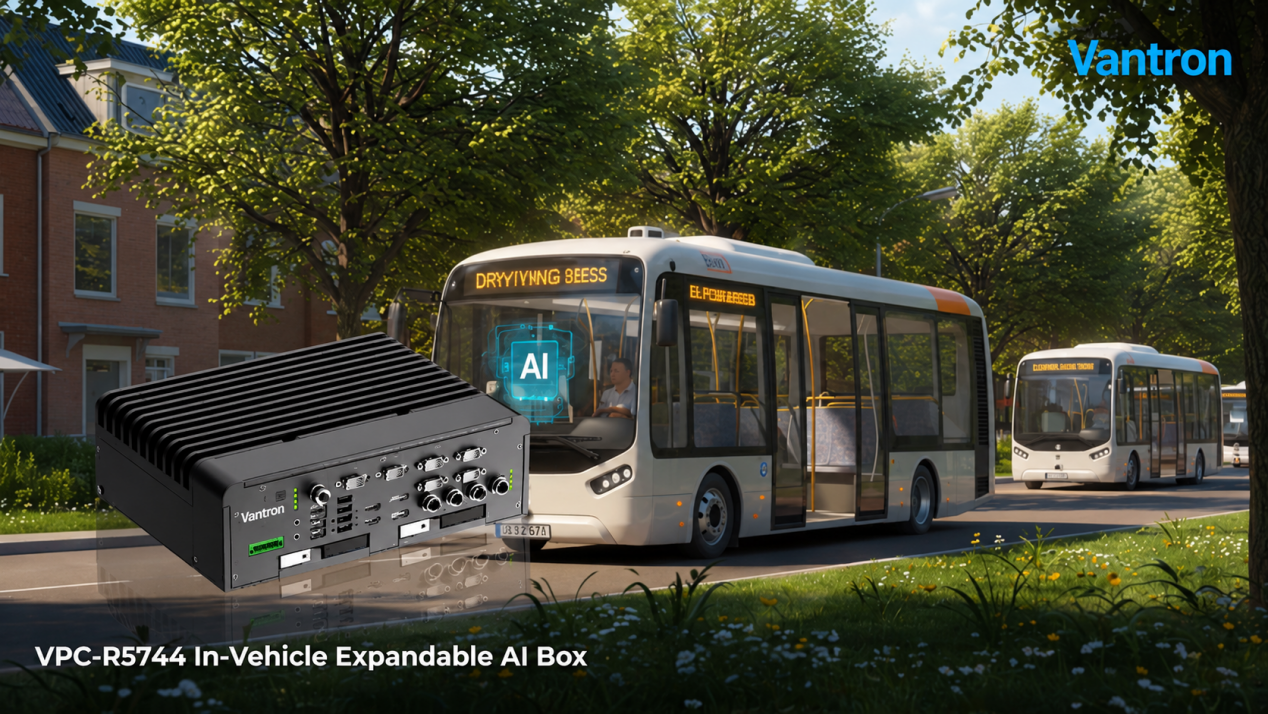
Fleet operators increasingly depend on onboard computing for vehicle monitoring, video analysis, navigation, communications, and operational control. However, not every embedded computer is designed for the electrical and mechanical demands of a moving vehicle. Choosing the right platform requires evaluating power management, connectivity, environmental tolerance, and processing capacity. Understanding these differences helps fleet managers balance system reliability, integration effort, and long-term operating costs.
What Separates In-Vehicle Computing from Standard Embedded PCs?
Standard embedded PCs serve many applications, including industrial control panels, kiosks, and fixed monitoring stations. Their suitability for vehicle deployment depends on the specific hardware design and operating requirements. A computer installed in a commercial vehicle faces additional challenges, such as engine start-stop cycles, electrical fluctuations, continuous vibration, and limited installation space.
An in-vehicle system must also communicate with vehicle controllers, cameras, positioning devices, and wireless networks. A platform designed around these requirements can reduce the need for external converters and separate computing devices. Fleet operators should therefore assess the complete installation rather than choosing a computer based solely on processor speed or purchase price.
Power Management Matters on the Road
Vehicle electrical systems behave differently from stable office or factory power supplies. Commercial vehicles may use 12V or 24V systems, while certain heavy-duty and specialized vehicles operate at other voltage levels. Starting the engine can introduce fluctuations, and equipment may need to shut down in a controlled manner when ignition is switched off.
A vehicle AI PC should provide an input range suited to the vehicle and a clear strategy for ignition management. The VPC-R5744 supports 9V–60V DC input and 16-mode software ignition control. These features give system integrators flexibility when designing power-on, shutdown, and standby behavior.
Before deployment, engineers should check the vehicle’s supply characteristics, startup current, grounding, and required shutdown delay. They should also test what happens when power is interrupted during recording or data transmission. Appropriate power protection and recovery behavior help reduce unexpected downtime and prevent avoidable data loss.
Connectivity for Cameras and Vehicle Systems
A modern fleet vehicle may contain several cameras, a vehicle controller, a GNSS receiver, passenger displays, and wireless communication modules. Connecting these devices reliably is essential for applications such as driver monitoring, fleet telematics, onboard surveillance, and vehicle-to-everything (V2X) communication.
The VPC-R5744 provides one Gigabit Ethernet port and four 2.5GbE ports with PoE+ support through M12 connectors. Power over Ethernet can simplify camera installation by combining data and power over compatible connections. Its isolated CAN interfaces, serial ports, and digital inputs and outputs also support connections to different vehicle peripherals.
However, interface availability alone does not guarantee compatibility. Integrators should confirm CAN protocols, signal requirements, camera bandwidth, connector specifications, and driver support. Network capacity must accommodate simultaneous video streams without compromising control messages or other time-sensitive data. These checks are particularly important when one onboard computer supports several applications.
Computing Performance, Displays, and Storage
A vehicle computer may process video, run AI inference, record events, and provide information to drivers or fleet personnel. These workloads place different demands on CPU performance, memory, storage bandwidth, and graphics processing. A basic tracking terminal may need limited computing resources, while a multi-camera analytics system can require significantly more capacity.
The VPC-R5744 supports 12th, 13th, and 14th Gen Intel® Core™ desktop processors and up to 96GB of DDR5 memory. It provides two front-access 2.5-inch drive bays, software RAID 0/1 support, and four independent display outputs. This combination supports flexible configurations for video recording, onboard analytics, and multiple display functions.
When evaluating an in-vehicle computer, fleet operators should benchmark the intended applications using representative workloads. Measure processing delays, video throughput, storage capacity, and memory consumption under peak conditions. Confirm that the selected operating system and AI frameworks support the required hardware before committing to a production configuration.
Environmental Durability and Mechanical Design
A computer installed in a vehicle experiences temperature changes, vibration, and restricted airflow. These conditions can affect component life, storage reliability, and thermal performance. A platform selected for an air-conditioned office may not be suitable for a bus dashboard, emergency vehicle, or construction vehicle without additional protection.
The VPC-R5744 uses a finless design, supports operating temperatures from -40°C to 70°C with 35W TDP CPUs, and has an IP50-rated enclosure. For 65W TDP CPUs, the listed upper operating temperature is 55°C. Its wide-temperature capability is useful for demanding installations, but engineers must still consider the enclosure, mounting location, and sustained processing load.
An IP50 rating does not establish protection against water exposure. Vehicles operating in wet, dusty, or washdown-prone environments may need a suitably protected installation. Mechanical testing, secure cable route, and vibration-resistant mounting should be part of validation, not left until the final installation stage.
Remote Management and Long-Term Maintenance
Managing hundreds of vehicles creates a different support challenge from maintaining a few fixed computers. Service teams need to diagnose faults, review logs, restore applications, and update software without unnecessarily taking vehicles out of operation. Remote access can reduce service visits, provided the system has appropriate connectivity and security controls.
The VPC-R5744 supports Intel® AMT, Wake-on-LAN, PXE boot, hardware monitoring, and a watchdog timer. Optional expansion supports 4G/5G, Wi-Fi, Bluetooth, and GNSS connectivity. Actual remote-management capabilities depend on configuration, network access, software, and security policies, so operators should validate the complete workflow.
Vantron’s platform should be evaluated alongside the supplier’s documentation, driver availability, technical support, and product lifecycle planning. For fleet programs expected to remain in service for years, controlled firmware revisions and a documented replacement process can be as important as initial performance.
Comparing Total Cost, Not Just Purchase Price
A standard embedded PC may be sufficient when an application has modest computing needs, limited interfaces, and a well-protected installation environment. A purpose-designed vehicle platform may offer greater value when the system needs ignition management, multiple camera connections, wide-voltage input, and support for harsh operating conditions.
Fleet buyers should compare the full bill of materials, wiring complexity, installation labor, software integration, energy consumption, and expected maintenance effort. Additional interfaces can reduce external hardware, but only when they genuinely match the application. Pilot testing across representative vehicle types helps expose compatibility issues before a fleet-wide rollout.
Choose According to Fleet Requirements
The right solution depends on the vehicle, workload, operating environment, and service model. Fleet operators should document camera counts, AI processing targets, power behavior, interfaces, temperature limits, and connectivity needs before comparing platforms. Field trials should verify performance during normal driving, startup and shutdown, network interruptions, and extended operation.
Vantron offers the VPC-R5744 Expandable In-Vehicle AI Box PC for vehicle computing applications that require substantial processing capacity, flexible connectivity, and wide-range power input. A structured evaluation of these features against actual fleet requirements helps buyers select a platform that supports reliable deployment while controlling integration and lifecycle costs.
