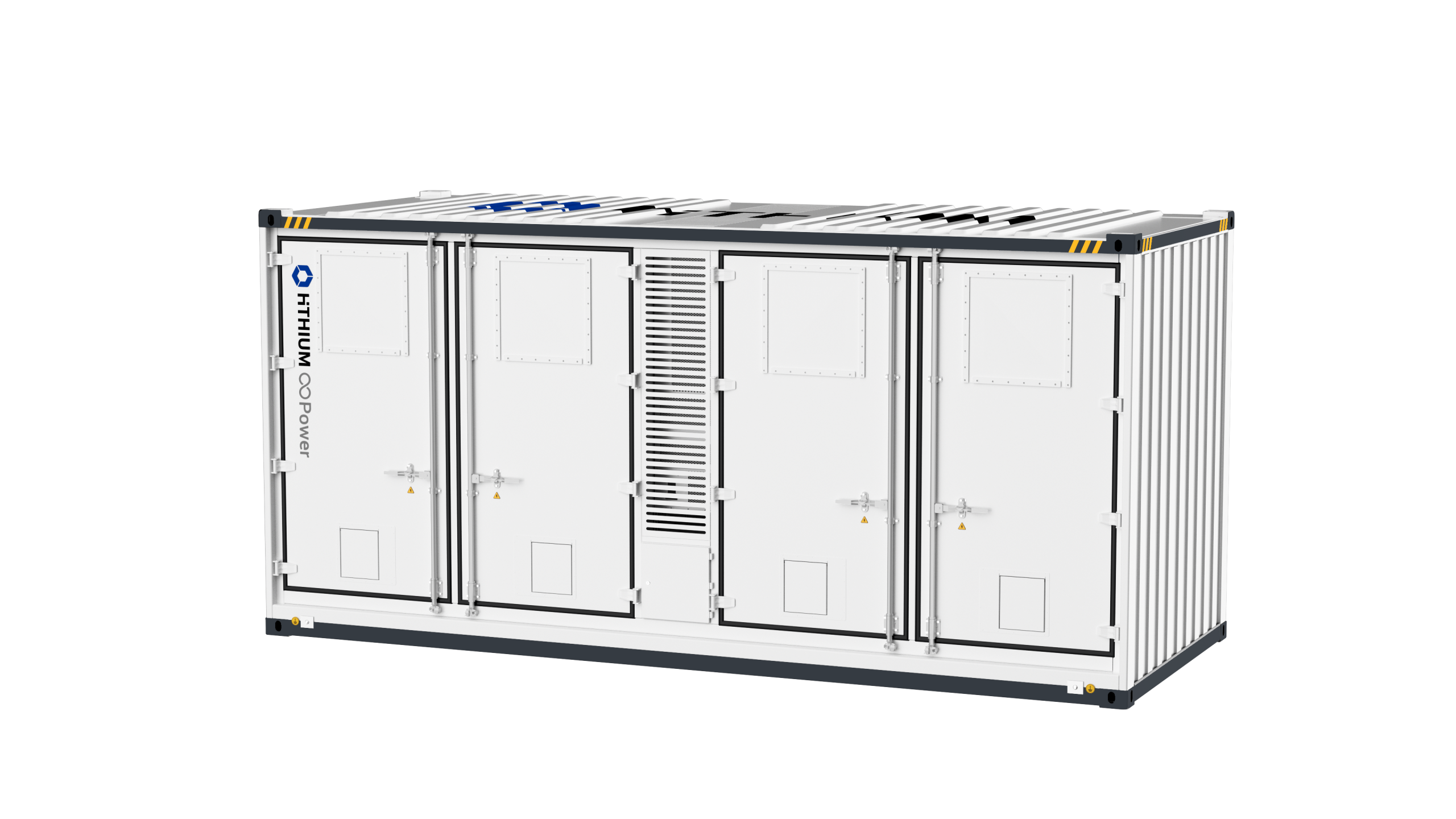
The transformation of global energy infrastructure is increasingly driven by the integration of advanced battery storage systems. As power networks incorporate higher shares of renewable energy and face more dynamic load profiles, the role of the bess battery energy storage system has become central to ensuring stability, flexibility, and efficiency. Modern systems are no longer limited to energy buffering; they are now designed as critical infrastructure assets. Companies such as HiTHIUM are advancing system-level innovations to support large-scale deployment and long-term operational reliability.
Enhancing Grid Stability and Operational Flexibility
One of the primary contributions of battery storage systems is their ability to stabilize power grids under fluctuating supply and demand conditions. A high-capacity bess battery energy storage system, such as a 6.9 MWh configuration designed for 8-hour duration, enables consistent energy delivery over extended periods. This capability supports applications such as peak shaving, load shifting, and renewable energy integration.
Modern systems are also engineered for flexible deployment. Features such as back-to-back and side-by-side installation allow operators to optimize site layout and maximize space utilization. This adaptability is particularly important for large-scale projects where land constraints and system expansion requirements must be carefully managed.
In addition, environmental considerations are increasingly incorporated into system design. Advanced battery storage systems utilize low-noise components and eco-friendly refrigerants with high recyclability, reducing environmental impact while maintaining performance. HiTHIUM integrates these features into its bess battery energy storage system solutions, ensuring that infrastructure development aligns with both operational and environmental requirements.
Advancing Safety and Reliability Standards
Safety and reliability are fundamental to the widespread adoption of battery storage systems in critical energy infrastructure. Modern bess battery energy storage system designs incorporate multi-stage, active fire detection and protection mechanisms. These systems are engineered to comply with standards such as NFPA 855, providing a structured approach to fire prevention and risk mitigation.
Operational reliability is further enhanced by the ability to function across diverse environmental conditions. With application altitude capabilities of up to 4,000 meters, these systems can be deployed in a wide range of geographic locations. This flexibility supports the expansion of energy storage into regions with varying climates and infrastructure constraints.
Moreover, integrated system design improves overall performance consistency. By combining advanced thermal management, safety systems, and modular architecture, battery storage systems can deliver stable output over extended operational lifetimes. HiTHIUM incorporates these design principles to ensure that its bess battery energy storage system solutions meet the rigorous demands of modern energy infrastructure.
Building Resilient and Adaptive Energy Networks
The evolution of battery storage systems is fundamentally reshaping how energy infrastructure is designed and operated. Through enhanced grid support capabilities, flexible deployment options, and advanced safety mechanisms, the bess battery energy storage system is enabling more resilient and adaptive power networks.
As demonstrated by HiTHIUM, continued innovation in system design and integration is supporting the transition toward more efficient and reliable energy systems. These developments provide a strong technical foundation for modern infrastructure, ensuring that energy networks can respond effectively to changing demand patterns and increasing renewable energy penetration.
