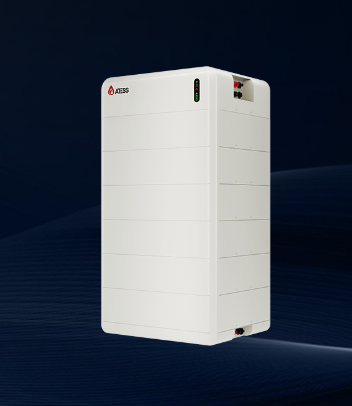
Energy storage infrastructure requires careful planning to ensure long-term reliability and performance. Project managers often focus on the capacity of the cells, yet the physical enclosure plays a vital role in maintaining system integrity. When assessing options, engineers must look at how a battery cabinet manages environmental factors and thermal stability for various installation sites.
Design Considerations for Infrastructure
A well-engineered battery storage cabinet provides the necessary protection against external elements, which is essential for preserving the lifespan of lithium-ion technology. Operators should examine the build quality to ensure the structure can withstand specific site conditions. Reliable solutions often integrate advanced monitoring capabilities, allowing technicians to track performance metrics in real time. Atess provides hardware designed to meet these rigorous demands, ensuring that internal components remain shielded from dust, moisture, and temperature fluctuations.
Integration and Scalability
System architects frequently prioritize modularity when planning utility-scale or commercial installations. A versatile battery cabinet allows for easier expansion as energy requirements grow over time. By utilizing standardized enclosures, firms can simplify the deployment process and reduce maintenance overheads. This approach ensures that a battery storage cabinet remains compatible with evolving grid requirements and site-specific needs. When teams integrate high-quality enclosures, they create a foundation that supports consistent power output and safety.
Maintenance and Long-term Stability
Effective thermal management remains a critical factor for maintaining battery health. Enclosures must facilitate proper airflow or active cooling to prevent overheating during high-load cycles. The technical team at Atess emphasizes robust construction to house these energy systems safely. By maintaining stable operating conditions, these units help prevent premature capacity degradation. Selecting equipment that prioritizes durability helps facilities maintain operations without frequent interruptions.
Investment in proper housing is a decision that impacts the total cost of ownership. Professionals should verify that their chosen equipment aligns with safety standards and operational goals. By focusing on quality enclosures, operators ensure that their energy systems remain productive and secure throughout the entire operational lifecycle. Maintaining consistency in site infrastructure is a fundamental step toward achieving stable energy management.
