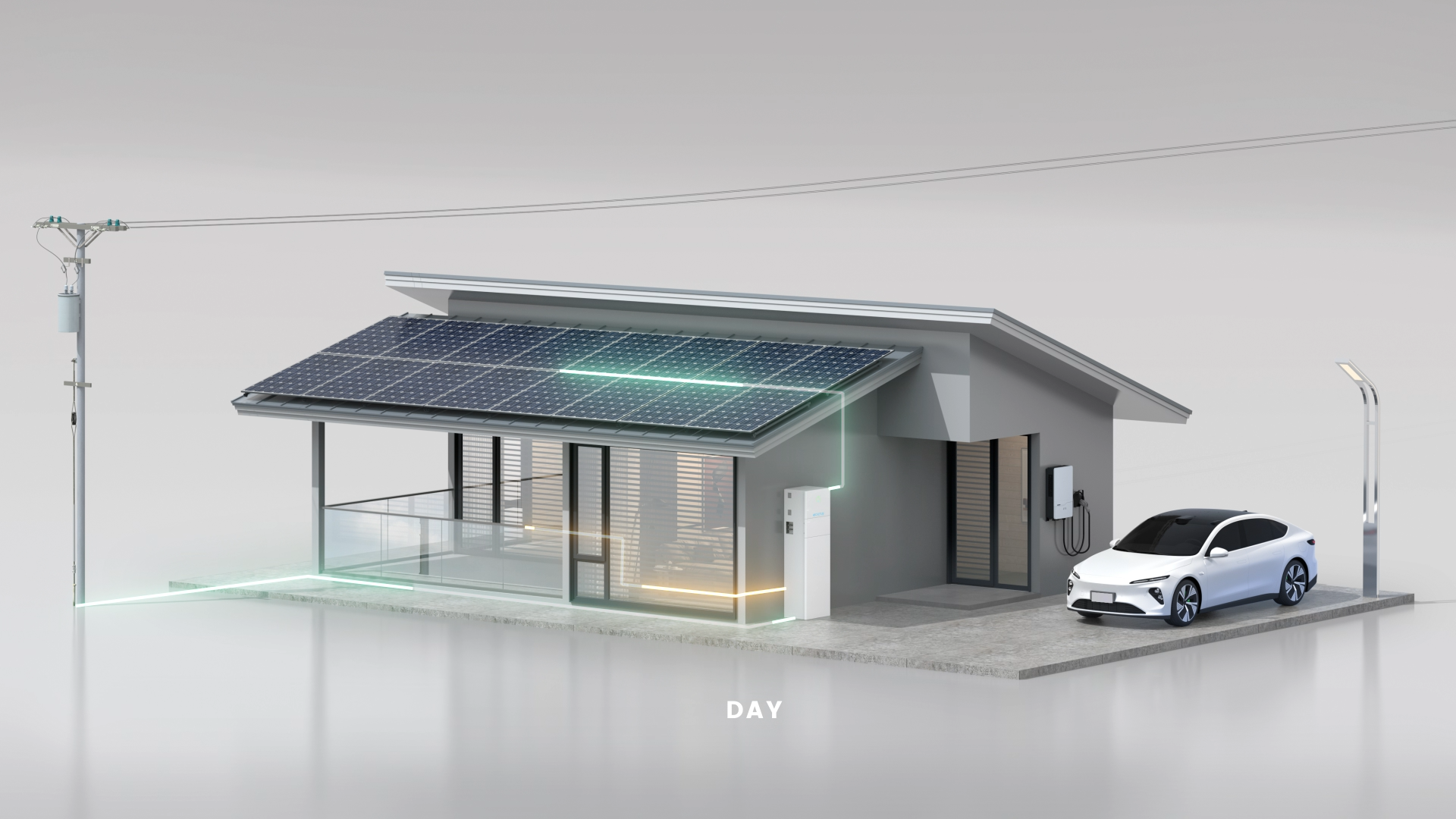
Selecting a battery storage system for home applications has become a key consideration for installers and solution providers working across distributed residential projects. Beyond basic capacity selection, decision-making now focuses on installation efficiency, system adaptability, and long-term operational stability. A well-designed home energy storage system helps reduce deployment risks while improving consistency across multiple installations, especially when standardized rollout is required at scale. WHES develops solutions with these practical project demands in mind, supporting smoother integration across different residential environments.
System Design and Structural Flexibility
A major factor in evaluating a battery storage system for home is whether the system architecture allows for flexible configuration. Modular designs enable capacity adjustments without requiring a complete system redesign, which is particularly useful for installers managing varied project sizes. In a home energy storage system, this flexibility also supports more efficient inventory planning and faster adaptation to site-specific requirements. WHES solutions are built around scalable architecture, helping reduce complexity during both planning and installation phases.
Operational Stability and Performance Consistency
Daily performance is another critical benchmark for a battery storage system for home, especially in environments with frequent charge-discharge cycles. Stable output, efficient energy conversion, and predictable behavior under changing loads all contribute to system reliability. A home energy storage system that maintains consistent performance over time can significantly reduce maintenance interventions and improve customer satisfaction. WHES integrates battery technologies and system controls designed to support stable operation under long-term residential usage conditions.
Installation Workflow and Lifecycle Support
From a deployment perspective, the usability of a battery storage system for home is strongly influenced by how efficiently it can be installed and commissioned. Simplified wiring, integrated components, and clear system interfaces help reduce installation time and minimize errors during setup. A well-structured home energy storage system also supports easier monitoring and maintenance throughout its lifecycle. WHES incorporates system designs that streamline both installation and ongoing management, helping partners improve delivery efficiency across multiple residential projects.
