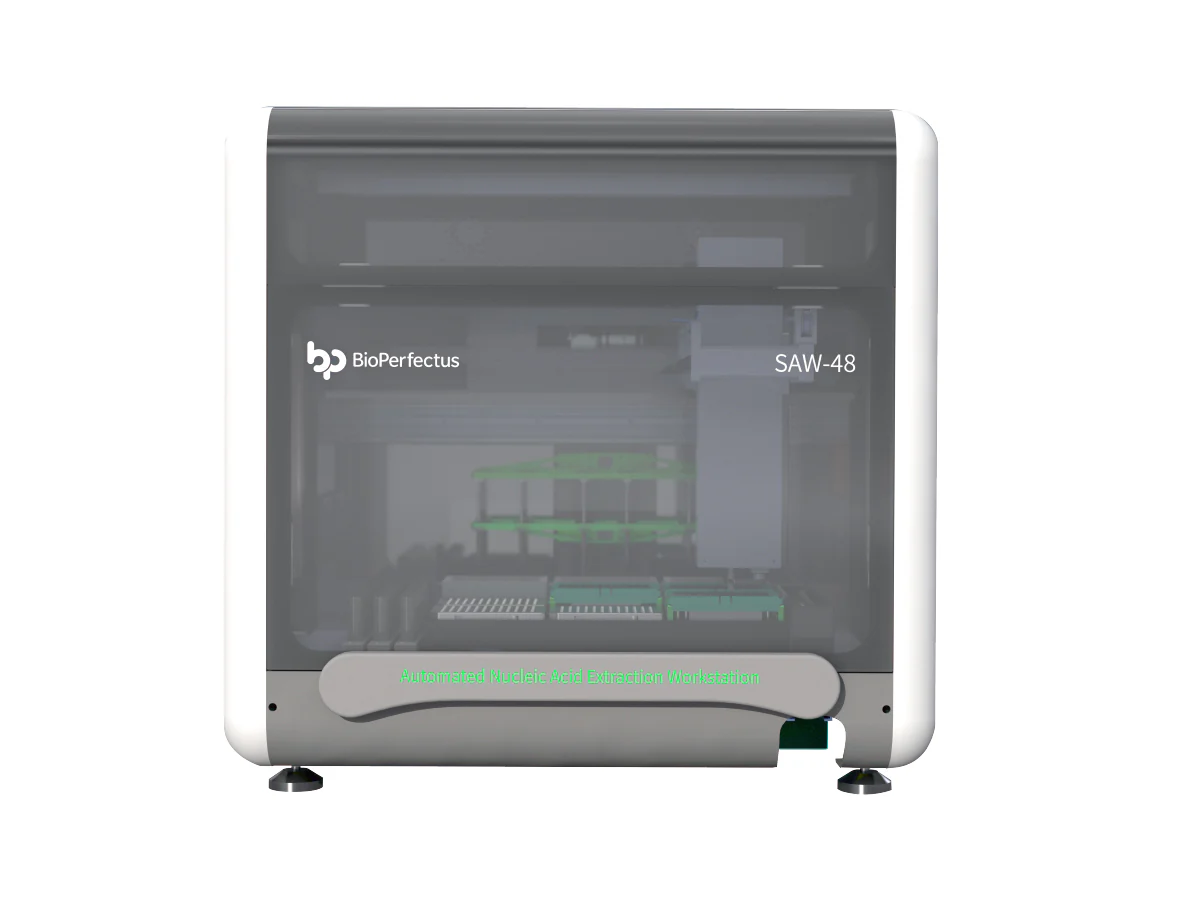
Advancements in molecular biology have transformed how laboratories handle nucleic acid extraction, making processes faster, safer, and more efficient. The automated nucleic acid extraction workstation has become a critical tool for both DNA and RNA workflows. These instruments streamline sample handling, reduce human error, and minimize contamination risks. Among the range of options available, the BP LabLine platform offers reliable performance and high-throughput capabilities, suitable for both research and diagnostic applications. This article explores how a nucleic acid workstation can be applied in RNA experiments and why its automated features are increasingly indispensable.
Understanding RNA Extraction Capabilities
RNA is notoriously unstable and prone to degradation, which makes proper extraction essential. Modern automated nucleic acid extraction workstations, such as the SAW-48 model, use magnetic separation technology to isolate nucleic acids without direct operator contact. This approach reduces the risk of RNase contamination and ensures consistent yield and purity. As a nucleic acid workstation, it provides standardized protocols adaptable to different sample types, including blood, tissue, and viral specimens. The automation also shortens extraction times, allowing laboratories to handle larger batches efficiently.
Safety and Contamination Control
Handling RNA requires careful control to avoid contamination, a challenge addressed by modern workstations. The BP LabLine series integrates non-contact dispensing of samples, reagents, and PCR components, reducing operator exposure and minimizing cross-contamination. This feature is particularly beneficial when working with infectious or highly sensitive RNA samples, where precision and sterility are paramount. By incorporating automated safety measures, nucleic acid workstations enhance laboratory reliability while maintaining high-throughput performance.
Integration with Downstream Applications
An automated nucleic acid extraction workstation does more than isolate RNA; it prepares samples for downstream applications such as RT-PCR, sequencing, or gene expression analysis. The SAW-48 model combines extraction with PCR setup in a single workflow, ensuring consistency across experiments. Laboratories can therefore accelerate data generation while maintaining reproducibility, a key factor for diagnostic and research studies involving RNA.
Conclusion
RNA extraction requires precision, consistency, and contamination control, all of which are supported by a modern nucleic acid workstation. Platforms like the BP LabLine ensure high-throughput processing, reliable automation, and safe handling of samples. By integrating extraction, purification, and preparation for downstream applications, these workstations make RNA workflows more efficient and reliable, highlighting the growing importance of automation in molecular biology laboratories.
