The landscape of industrial power generation is undergoing a rapid transformation. As global infrastructure continuously expands, the demand for reliable power in critical sectors—such as massive data centers, marine vessels, and portable containerized power plants—is pushing the boundaries of traditional engineering. Over the next three years, the high-end power market is projected to experience a significant upgrade, driven heavily by advanced component design.
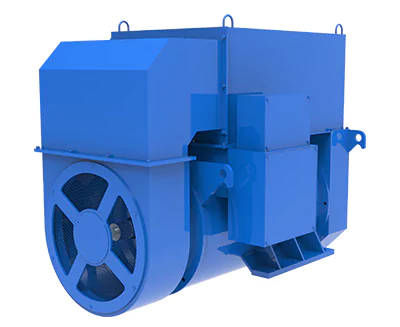
The core of this evolution lies within the generator head, which converts mechanical energy into usable electrical power. Standard commercial alternatives are no longer sufficient to handle complex, continuous-duty industrial challenges. As equipment packagers systematically evaluate their supply chains to meet future demands, partnering with dedicated, innovative enterprises like EvoTec Power becomes a vital strategic decision. Understanding the specific technological directions leading this industry-wide upgrade helps OEMs maintain a competitive edge while consistently delivering exceptionally robust solutions to demanding clients.

Efficiency Improvement with a High–Performance Alternator
One of the most consequential trends shaping the future of power equipment is the relentless drive toward superior electrical efficiency. Modern regulatory frameworks demand strict adherence to rigorous carbon emission requirements, forcing OEMs to rethink every aspect of energy conversion. To achieve these ambitious sustainability goals, electrical engineers are fundamentally optimizing the magnetic circuits housed within the alternator architecture.
By intentionally utilizing state-of-the-art, ultra-low-loss materials in both the stator and rotor cores, manufacturers can drastically reduce counterproductive eddy currents and hysteresis losses. This advanced material science translates directly to exceptionally high energy conversion efficiency, which subsequently lowers the fuel consumption of the prime mover.
For system assemblers, integrating a high performance alternator built entirely upon these advanced electromagnetic principles ensures their product will deliver maximum electrical output with a minimal environmental footprint. This approach directly satisfies mounting regulatory pressures and significantly reduces long-term operational expenses for end-users operating in highly energy-intensive industrial sectors.
Extreme Compactness for Space-Constrained Engineering Sites
Another critical technological direction is the strong push for extreme compactness without sacrificing output capacity. Modern industrial job sites, particularly mobile field operations and modular containerized power plants, consistently operate under severe spatial constraints. Achieving higher power density is absolutely essential for fitting robust energy solutions into these highly restricted spatial envelopes. To effectively address this structural challenge, modern generator heads are adopting much shorter structural designs that significantly reduce overall dimensional requirements while fully maintaining optimal thermal dynamics.
For example, engineering an alternator that supports a 45 kva generator system—such as the specialized EVO188 series, which reliably provides continuous electrical capacities ranging from 25 kVA up to 54 kVA—now demands substantially less axial length compared to legacy industry models. This highly space-efficient engineering grants OEMs the flexibility to design smaller, lighter, and more aerodynamic canopy enclosures. This precision reduction in physical footprint drastically lowers raw material costs, simplifies onsite installation procedures, and facilitates much easier transportation to remote engineering sites, all while ensuring excellent ventilation.
System Intelligence and Real-Time Operational Monitoring
The seamless integration of intelligent diagnostics represents a transformative leap in heavy-duty component lifecycle management. Large-scale industrial operations simply cannot afford the devastating financial impact of unexpected mechanical downtime. Consequently, next-generation electrical components are rapidly being equipped with highly integrated online monitoring systems right from the assembly line. These smart sensing technologies constantly track critical operational parameters, focusing heavily on detecting minute bearing vibration levels and closely monitoring stator winding temperature fluctuations.
By securely transmitting this diagnostic data in real-time to centralized control centers, facility operators can effectively transition away from reactive repair strategies toward highly efficient, predictive maintenance protocols. Identifying a minor thermal anomaly or abnormal mechanical friction early effectively prevents extensive internal component damage and costly system overhauls. For OEMs, offering an intelligent electrical component that proactively communicates its precise health status adds immense intrinsic value to the overarching power infrastructure, directly satisfying the uncompromising reliability demands of mission-critical applications across various sophisticated industrial sectors.
Enhanced Protection Against Harsh Industrial Environments
The physical environments where industrial power equipment is typically deployed are becoming increasingly severe and unpredictable. Specialized installations in remote mining operations, offshore drilling platforms, and coastal manufacturing facilities constantly expose rotating machinery to relentless abrasive dust and highly corrosive moisture.
To aggressively combat these destructive environmental elements, advanced sealing and coating technologies have swiftly become mandatory engineering requirements. Premium generator heads now feature specialized additional marine varnishes and rigorous triple-proofing treatments that render the internal copper windings entirely moisture-proof, mould-proof, and completely anti-fogging.
This robust environmental defense mechanism effectively isolates the highly sensitive electromagnetic components from penetrating salt spray and microscopic particulate ingress. Such thorough structural protection dramatically extends the functional service life of the equipment, ensuring continuous, uninterrupted electrical generation even when the power system is actively subjected to the harshest, most unforgiving global climates and exceptionally demanding load profiles.
Delivering Long-Term Value Through Component Innovation
The future trajectory of power system engineering is clearly marked by these necessary, value-driven technological advancements. Prioritizing optimized electrical efficiency, ultra-compact power density, intelligent operational monitoring, and remarkably rugged environmental protection strongly enables OEMs to deliver genuinely superior energy solutions.
Embracing these core design trends, which guide component development at EvoTec Power, allows professional equipment packagers to confidently fulfill the rigorous, constantly evolving demands of modern industrial applications without ever making performance compromises. By strategically leveraging highly specialized generator heads that comprehensively embody these precise modern innovations, progressive manufacturers successfully guarantee that their assembled power systems will reliably lead the high-end industrial market for many years into the foreseeable future, ensuring long-term profitability and operational excellence.
