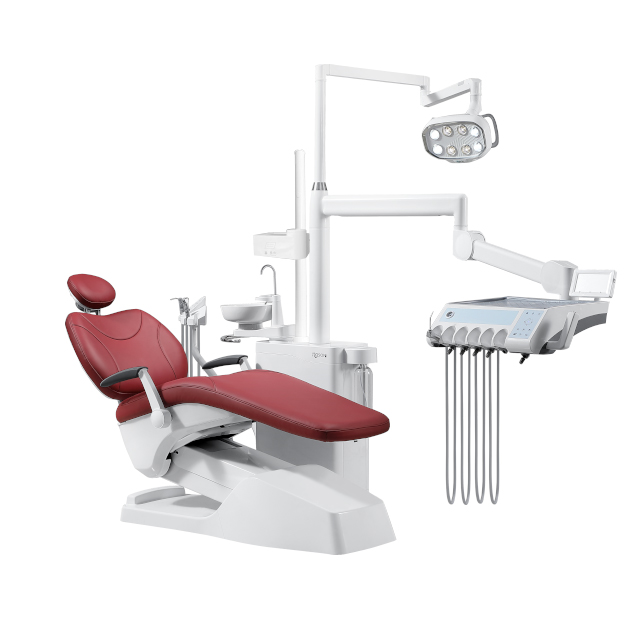
A successful dental practice depends on many factors, including clinical expertise, workflow organization, patient experience, and reliable equipment. Among these elements, seating systems play a significant role because they directly influence treatment efficiency, practitioner comfort, and daily operations.
Many clinics evaluate equipment upgrades by looking beyond basic functions. They consider durability, ergonomic design, maintenance requirements, and how well equipment supports different treatment scenarios. Real practice experiences show that choosing the right dental chair can create measurable improvements in workplace efficiency and long-term operational value.
How Practices Improve Efficiency with a Dental Chair?
Dental clinics often face challenges related to limited workspace, long treatment hours, and the need for smooth cooperation between dentists and assistants. A properly designed dental chair helps address these challenges by supporting better patient positioning and more organized clinical procedures.
In busy practices, equipment flexibility is especially important. Dentists frequently perform different procedures throughout the day, requiring adjustable positioning and reliable movement functions. A chair that allows precise height and angle adjustments can help clinicians maintain comfortable working positions while reducing unnecessary physical strain.
Successful clinics usually consider how equipment integrates with the entire treatment environment. The placement of instruments, lighting systems, and operator seating all influence workflow. When these elements work together, dental teams can complete procedures more efficiently and provide a better patient experience.
Roson focuses on developing dental treatment solutions that consider practical clinical requirements, including usability, stability, and workspace integration. These design principles help practices evaluate equipment based on long-term performance rather than only initial purchasing costs.
Lessons from Practices Working with Dental Chair Companies
When clinics select suppliers, they often look for more than product availability. Reliable dental chair companies typically provide solutions that address different market needs, including customization options, technical support, and consistent product quality.
Successful partnerships between manufacturers and dental practices are often built on understanding real clinical challenges. For example, a growing clinic may need equipment that supports expansion, while an established practice may prioritize replacing outdated systems without interrupting daily operations.
Professional suppliers help customers evaluate important factors such as installation requirements, maintenance processes, and compatibility with existing clinic layouts. This approach allows practices to make purchasing decisions based on operational goals rather than focusing only on product specifications.
The experience of many dental clinics shows that supplier cooperation can influence the overall success of equipment investment. A strong partnership provides guidance before purchase and continued support after installation, helping clinics maximize the value of their treatment systems.
Creating Better Patient Experiences Through Equipment Selection
Modern dental patients increasingly expect comfortable and efficient treatment environments. Equipment quality can influence their perception of a clinic from the moment they enter the treatment room.
A comfortable treatment position can reduce patient anxiety and improve communication between patients and dental professionals. Smooth movement functions, stable support, and thoughtful design details contribute to a more positive clinical experience.
For practices competing in today’s healthcare market, improving patient satisfaction is an important business strategy. Equipment selection becomes part of building a professional brand image and creating a consistent service experience.
Many successful clinics invest in solutions that support both clinical performance and patient comfort. They understand that treatment equipment is not only a functional tool but also an important part of the overall healthcare environment.
Operational Benefits of Choosing Reliable Equipment Partners
Equipment reliability has a direct impact on clinic productivity. Unexpected equipment problems can interrupt appointments, delay procedures, and increase operational pressure. Therefore, many practices prefer working with manufacturers that emphasize quality control and dependable production processes.
Roson supports dental professionals by providing equipment solutions designed around clinical workflows and professional expectations. For practices, selecting a dependable supplier means gaining confidence that equipment can support daily demands over time.
Quality evaluation is also important for distributors and healthcare partners. They often assess manufacturing standards, product consistency, and after-sales service when choosing suppliers. These factors help determine whether equipment can perform effectively across different markets and clinical environments.
In addition, long-term cooperation with experienced suppliers allows practices to receive updated information about product improvements and maintenance recommendations. This ongoing relationship can help clinics manage equipment more effectively throughout its service life.
Key Factors Practices Consider Before Investment
Before purchasing new treatment equipment, dental practices usually review several important considerations. The first is whether the equipment matches their clinical workflow. Different specialties and treatment styles may require different levels of flexibility and functionality.
The second consideration is durability. Since dental equipment operates every day, materials, structural design, and manufacturing quality all affect long-term reliability. Practices should evaluate whether the equipment can maintain stable performance under frequent use.
Maintenance requirements are another important factor. Equipment that is easy to clean, inspect, and service can help reduce downtime and simplify daily management. Clear maintenance procedures also support better equipment lifespan.
Finally, clinics should consider future development. A suitable equipment investment should not only solve current needs but also support potential growth. Flexible solutions allow practices to adapt as patient volume, services, and operational requirements change.
Conclusion
The experiences of successful dental practices demonstrate that equipment selection plays an important role in improving workflow, patient satisfaction, and business performance. Choosing the right dental chair requires careful evaluation of design, reliability, integration, and supplier support.
Working with professional dental chair companies allows clinics to access solutions that align with real operational needs. By focusing on long-term value rather than short-term cost, practices can create more efficient and comfortable treatment environments.
Roson continues to support dental professionals with solutions designed for modern clinical requirements. Through thoughtful equipment selection and effective maintenance strategies, dental practices can build stronger foundations for sustainable growth and improved patient care.
