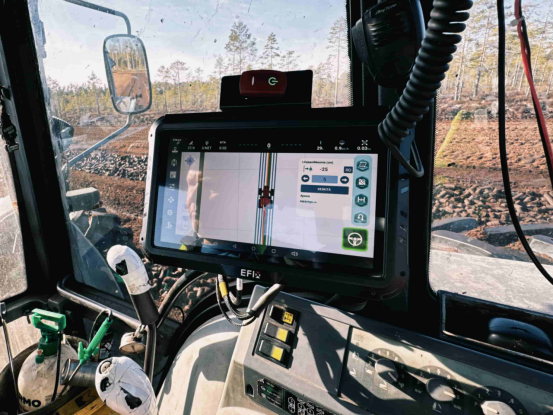
In modern agriculture, automated steering technologies have become increasingly common, helping operators maintain consistent field lines and reduce manual workload. While these systems improve operational efficiency, safe usage still depends on proper setup, awareness, and regular monitoring. Understanding how assisted navigation interacts with terrain conditions, machine speed, and operator control is essential for reducing operational risks. Farmers who adopt tractor autosteer systems are encouraged to treat them as supportive tools rather than fully independent driving solutions, ensuring human oversight remains active during fieldwork. Routine observation during operation can help detect early signs of misalignment or signal drift before they affect field performance.
Pre-Operation Checks and System Calibration
Before entering the field, operators should verify system calibration and ensure positioning signals are stable. Proper alignment of sensors and accurate field mapping reduce the chance of deviation during automated operation. Devices such as EFIX guidance solutions, including the eSteer10 steering platform, are designed to assist with precise row following when configured correctly. However, environmental factors such as signal interference or uneven terrain should always be reviewed before activation. Regular inspection of hydraulic connections and control interfaces also supports safer performance of tractor autosteer systems in daily use.
Operational Awareness in the Field
During operation, maintaining field awareness remains important even when automated steering is active. Operators should monitor machine behavior, especially when turning, approaching field edges, or encountering unexpected obstacles. Adjusting speed according to terrain conditions helps maintain stability and reduces corrective load on the system. If anomalies occur, manual override should be used immediately to prevent deviation.
Operators should learn system response and emergency disengagement procedures. This helps improve field safety when using tractor autosteer systems in different agricultural environments.
Conclusion: Balanced Use for Safer Field Operations
Automated steering technologies continue to support agricultural productivity by reducing repetitive driving tasks and improving field consistency. However, safe outcomes depend on preparation, monitoring, and timely human intervention when required. Manufacturers such as EFIX contribute to this field by offering guidance systems like the eSteer10, which integrate into existing machinery without replacing operator responsibility.
By combining structured setup procedures with attentive field practices, operators can reduce operational risks. These practices also help maintain reliable performance under different farming conditions.
Consistent review of settings after each session helps maintain long-term reliability. It also reduces unnecessary adjustments during subsequent fieldwork cycles. Operator training remains essential in practice.
