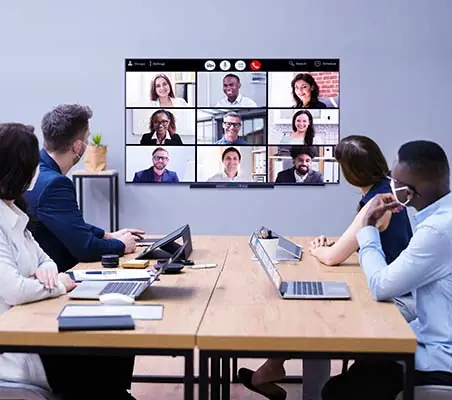
Strong visual communication depends on more than hardware specifications. Content resolution, viewing distance, ambient light, and operating schedules all influence how effectively an LED display screen performs. Since 2004, Ledman has developed UHD LED display technologies and solutions for applications worldwide, covering professional indoor and outdoor environments.
Optimise Content Before Playback
Content should match the display’s native resolution and aspect ratio whenever possible. Oversized files, unnecessary compression, or poorly scaled graphics can reduce visual clarity. Text requires particular attention: suitable font sizes, strong contrast, and sufficient spacing help audiences read information from practical viewing distances.
Match Brightness To Daily Conditions
Brightness does not need to remain at maximum throughout the day. Indoor environments often experience changing illumination, so scheduled adjustments can reduce unnecessary operating intensity while keeping content visible. The indoor LED screen display should also be assessed from the audience’s actual viewing area rather than directly beside the cabinets.
Remote monitoring adds another layer of operational control. System status, temperature, power conditions, and unusual display behavior can be checked without waiting for an on-site inspection. Early detection allows technical teams to investigate developing issues before they interrupt scheduled content.
Protect Long-Term Display Performance
Consistent operating conditions contribute to longer service life. Operators should keep ventilation areas unobstructed, follow recommended power procedures, and maintain suitable environmental conditions. Periodic inspections can identify dust accumulation, cabinet issues, abnormal pixels, or signal problems before they become more noticeable.
Content teams also benefit from maintaining a clear media library. Standardized file formats and organized playback schedules reduce unnecessary processing and make routine updates easier. Such practices help the LED display screen remain visually consistent while simplifying daily management.
Conclusion
Efficient display operation combines thoughtful content preparation with sensible brightness control, monitoring, and routine care. Rather than relying on maximum settings throughout the day, operators can adapt usage to the environment and workload. These habits support stable visual performance and make better use of the hardware investment. With its focus on UHD display technology and varied application solutions, Ledman provides a foundation for professional indoor LED screen display projects where content quality and operational discipline matter equally.
