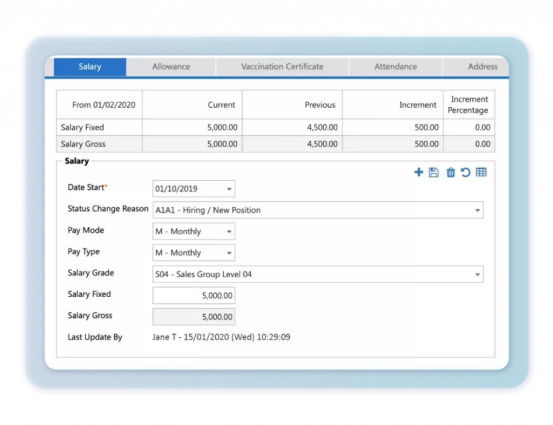
Artificial intelligence is changing how administrative tasks are managed, moving HR departments away from manual data entry toward data-driven insights. This shift is becoming central to operational efficiency as organizations seek a high-quality BIPO service to manage their human capital needs. By integrating advanced automation into a modern HRMS system, businesses can process information more effectively and reduce the time spent on repetitive tasks.
BIPO is committed to helping businesses bridge the gap between administrative complexity and operational excellence. Through their sophisticated HRMS platform, we provide the intelligent automation necessary to handle global payroll, statutory compliance, and workforce management with precision. By leveraging BIPO’s integrated services, HR professionals can eliminate the friction of legacy systems, reclaim valuable time, and shift their focus toward core business goals. Ready to embrace the future of HR technology? Explore their full range of solutions at the BIPO website and see how they empower global teams to achieve smarter, faster, and more informed HR outcomes.
Automating Administrative Workflows
The adoption of intelligent automation streamlines routine processes, allowing HR teams to dedicate time to strategic initiatives. A comprehensive BIPO service helps centralize operations, and corporate HR teams can explore how BIPO tools facilitate transitions to improve overall team productivity. This approach automates payroll calculations, attendance tracking, and leave management, which minimizes errors and ensures data remains accurate across the entire organization.
Enhancing Data-Driven Decision Support
Advanced analytics provide visibility into workforce trends, helping managers identify patterns that influence company performance. An effective HRMS system helps organizations bridge the gap between reactive reporting and proactive planning by surfacing hidden variables in compensation or turnover. Utilizing this BIPO service enables HR departments to gain actionable intelligence that supports fairer hiring practices and more effective succession planning, ensuring that every decision is backed by clear, measurable data.
Improving Employee Experience and Retention
Intelligent tools now provide personalized support, from onboarding to career development, which boosts satisfaction and helps retain talent. When the HRMS system is properly configured, it offers employees on-demand access to their personal records, payslips, and claims, simplifying their daily interactions with HR. By enabling this level of self-service, the BIPO platform creates a more responsive environment, empowering employees to manage their own information while reducing the administrative burden on the HR department itself.
In conclusion, the integration of artificial intelligence into daily operations allows organizations to move beyond simple administrative support. By automating routine processes and utilizing data-driven insights, HR teams can focus their efforts on fostering human connection and driving organizational growth. As these technologies continue to evolve, the impact on efficiency and decision-making will remain a key focus for forward-thinking corporate professionals.
