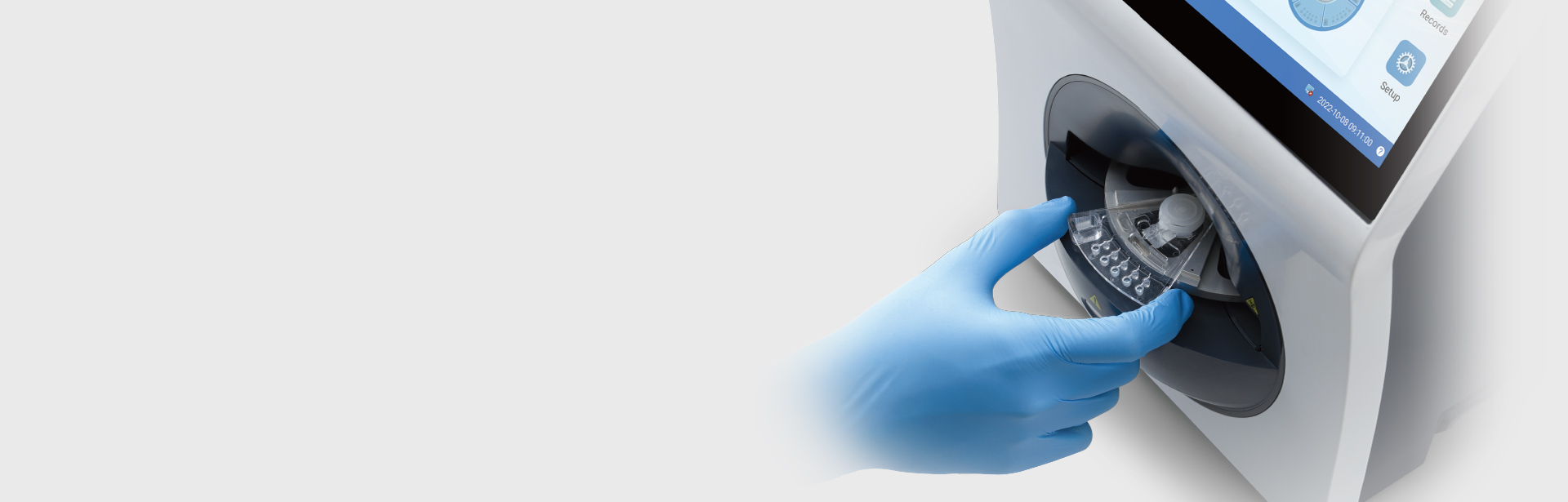
In modern clinical environments, the space a diagnostic instrument occupies can influence workflow efficiency, lab design, and overall productivity. With the increasing demand for molecular diagnostic testing capabilities, facilities are seeking systems that offer robust analytical performance without overwhelming valuable bench space. One standout example in this context is the EDAN CL30, a system that demonstrates how compact design supports broader adoption of advanced diagnostics.
Space Efficiency and Laboratory Flow
Clinical labs often juggle multiple instruments and constant sample throughput. A large footprint can create bottlenecks, limit future expansion, and disrupt organized workflows. When a molecular diagnostic system is thoughtfully sized, like the EDAN CL30 with its small footprint that fits comfortably on standard lab surfaces, it allows technicians to maintain clear work areas and streamline sample processing.
Smaller systems also make it easier to design laboratories that minimize cross-contamination risks and promote logical progression from sample receipt to result reporting. In contrast, bulky equipment may encroach on critical preparation space and complicate ergonomic layouts, slowing down technicians and increasing the potential for errors.
Adapting to Diverse Clinical Settings
Labs vary widely in their physical dimensions, from centralized hospital facilities to decentralized point-of-care sites. A molecular diagnostic system with a reduced footprint broadens its usability across these diverse environments. The EDAN CL30, for instance, is light enough to be placed in compact spaces yet powerful enough to deliver swift, extraction-free testing across six channels.
This design flexibility means smaller clinics, urgent care centers, or mobile testing units can adopt molecular diagnostic testing without major renovations or dedicated instrument rooms, enabling more locations to offer timely diagnostics.
Operational Advantages Beyond Space
Beyond saving room, compact systems can also reduce installation time, simplify maintenance, and lower logistical challenges during transport and setup. With units like the EDAN CL30, features such as integrated barcode scanning and direct data transmission to laboratory information systems further enhance workflow efficiency while keeping the device footprint modest.
Conclusion
Efficient use of space is a practical consideration with real impacts on lab productivity and accessibility. Compact molecular diagnostic systems like the EDAN CL30 demonstrate how thoughtful design supports effective laboratory operation, making advanced testing more adaptable and accessible in a range of clinical settings.
