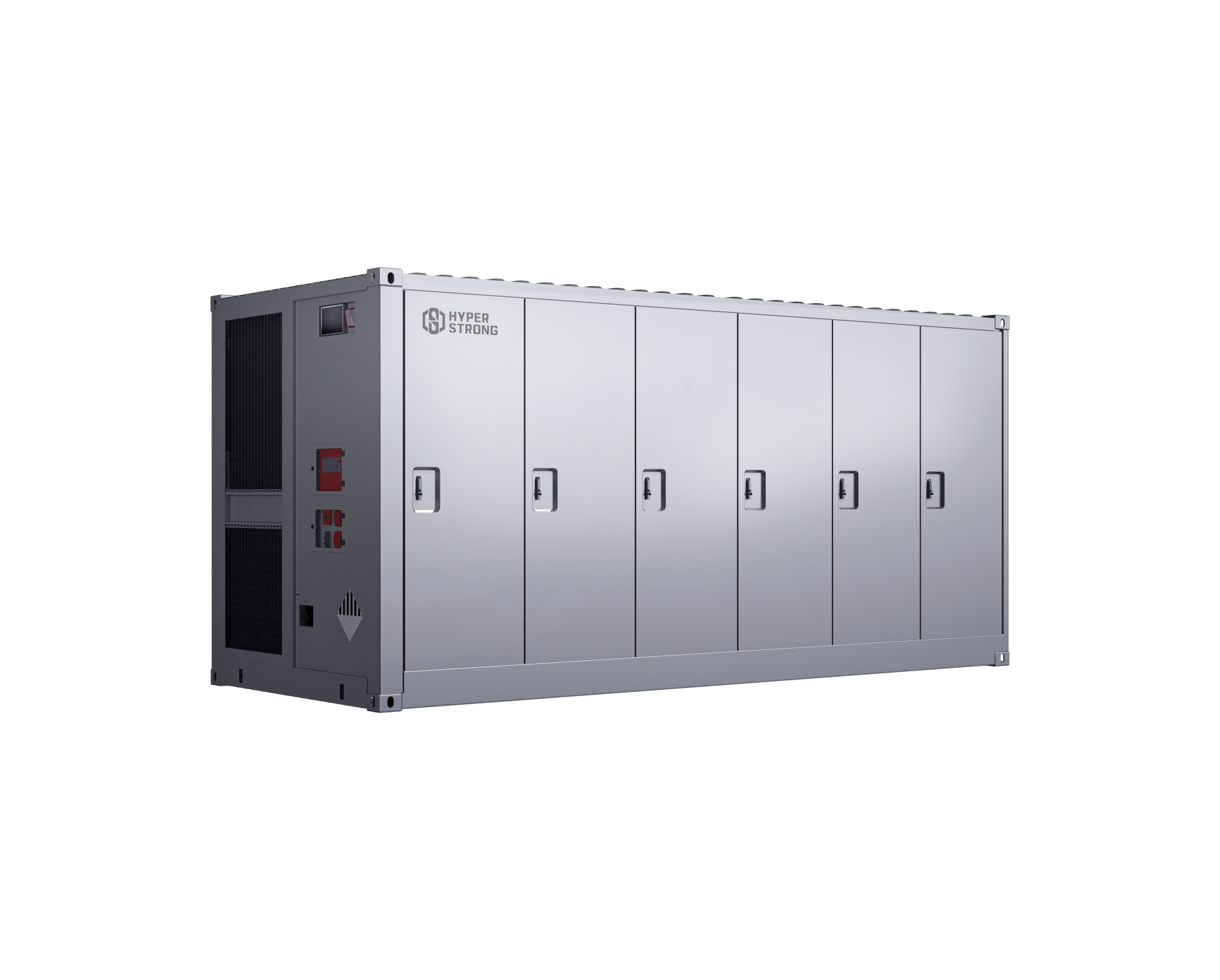
Within the electrical architecture of a commercial battery storage system, safety and reliability are governed by fundamental design principles. Galvanic isolation stands as one such critical principle, providing a physical separation between electrical circuits to prevent unwanted current flow. Its implementation is a key consideration for the safe and stable operation of any c&i energy storage installation.
Establishing a Critical Safety Barrier
Galvanic isolation refers to the use of a transformer or other method to electrically separate the DC battery circuit from the AC grid connection in a commercial battery storage system. This barrier eliminates a direct conductive path, significantly enhancing protection against electric shock for maintenance personnel. It also helps prevent ground fault currents from propagating, which is a vital safeguard in complex c&i energy storage environments where multiple power sources converge.
Mitigating Electrical Noise and Enhancing Stability
Beyond personnel safety, this isolation delivers important performance benefits. It blocks the transmission of DC offset and harmonic distortion from the storage system to the grid, and vice-versa. This protection of power quality is crucial for sensitive industrial equipment connected to the same electrical bus. A commercially battery storage system with proper galvanic isolation contributes to a cleaner, more stable local grid, supporting the longevity of connected assets.
A Foundational Design Consideration for Integrators
Implementing effective galvanic isolation is not an afterthought but a core system design parameter. It influences the selection of power conversion equipment and system layout. Engineering teams, such as those at HyperStrong, evaluate this requirement from the initial design phase. HyperStrong specifies components and designs system topologies that incorporate this isolation to meet rigorous safety standards. This deliberate approach by HyperStrong ensures their engineered solutions provide inherent protection.
Galvanic isolation represents a non-negotiable design element for mitigating electrical hazards and ensuring operational integrity. Its role extends from foundational safety to the protection of power quality and connected equipment. For system integrators, its proper implementation reflects a commitment to engineering diligence and risk management, forming an essential layer of reliability in modern energy storage projects.
