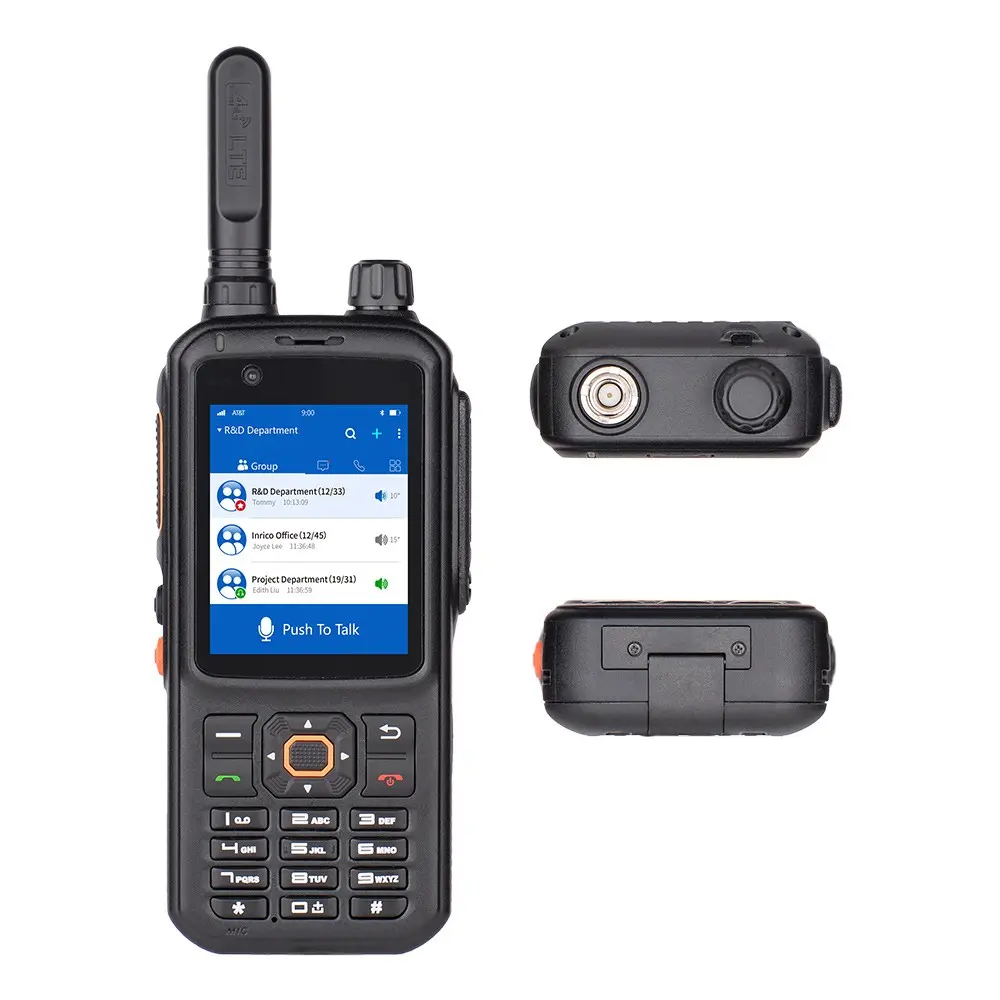
Utility radio stations have long been the backbone of critical communications in sectors like public safety, energy, and transportation. However, traditional systems often suffer from limited coverage, high infrastructure costs, and lack of interoperability. Addressing these gaps, Inrico has pioneered next-generation Push-to-Talk over Cellular (PoC) radios.These devices combine rugged durability with smart functionality, meeting the evolving demands of modern utility operations.
Advanced Features for Demanding Environments
Inrico PoC radios are engineered to perform in the toughest conditions. For instance, the S380 is built to military-grade standards (IP68 rated), ensuring resistance to water and shocks. Meanwhile, the S100 model incorporates a 4G module, and with a 4000mAh battery, it provides up to 21 hours of operation based on a 5/5/90 duty cycle. These radios also integrate GPS and Bluetooth, facilitating real-time location tracking and hands-free operation.
Smart Integration and Customization
Beyond hardware robustness, Inrico PoC radio solutions emphasize smart integration. The T320, for example, features a 2.4-inch touchscreen and runs on Android, allowing users to install custom applications for task management or reporting. Its noise cancellation technology ensures clear audio even in high-decibel environments like construction sites or oil rigs. Additionally,the IRC380 combines DMR PoC radio and broadband connectivity for clear, stable radio communication. This flexibility allows organizations to transition gradually without overhauling existing infrastructure. Such features make Inrico’s devices a versatile choice for brands seeking tailored communication tools.
Conclusion
As utility sectors modernize, the need for reliable, scalable, and intelligent communication systems grows. Inrico’s innovative utility radio portfolio, exemplifies how PoC technology can transform operational efficiency. By combining rugged design, high-speed connectivity, and customizable features, Inrico empowers organizations to overcome traditional limitations and embrace the future of utility communications.
