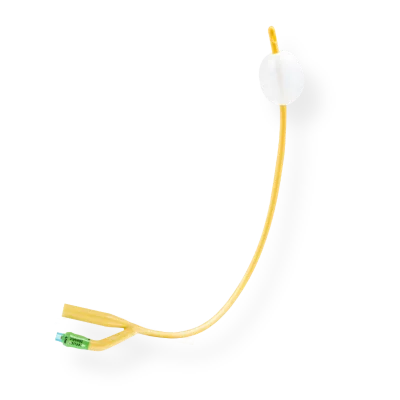
Medical procedures often require precision and patient safety, and Well Lead Medical has developed devices that cater to these needs. Among their offerings, the hydrophilic foley catheter stands out as a specialized product designed for patients requiring urinary drainage. This type of catheter is widely used in clinical settings for patients under anesthesia or with urinary retention conditions. The product integrates a hydrophilic coating that enhances its performance and patient comfort.
Hydrophilic Coating Technology
The hydrophilic foley catheter features a pre-lubricated coating firmly bonded to its surface. When the catheter comes into contact with water, the coating absorbs and binds moisture, creating a thick and slippery layer. This design ensures that the catheter glides smoothly along the urethra, minimizing friction and discomfort for patients. Well Lead Medical emphasizes that the coating maintains its integrity throughout insertion, allowing consistent lubrication along the entire length of the catheter.
Clinical Benefits and Applications
Healthcare professionals recognize the value of the hydrophilic foley catheter in various clinical scenarios. Its smooth surface is designed to minimize friction and enhance comfort during catheterization. In addition, the product is suitable for both short-term and extended use, depending on patient needs. Well Lead Medical provides this catheter in different sizes to accommodate patient variability, ensuring medical teams have appropriate options for adult and pediatric cases.
Conclusion
In summary, Well Lead Medical offers the hydrophilic foley catheter as a reliable tool for enhancing patient comfort and clinical efficiency. The hydrophilic coating ensures smooth insertion and continuous lubrication, which can contribute to safer catheterization procedures. This device reflects the company’s commitment to providing professional-grade medical products that align with the practical requirements of healthcare settings.
